Hunger crisis deepens as 3.68 million Kenyans face acute food shortage
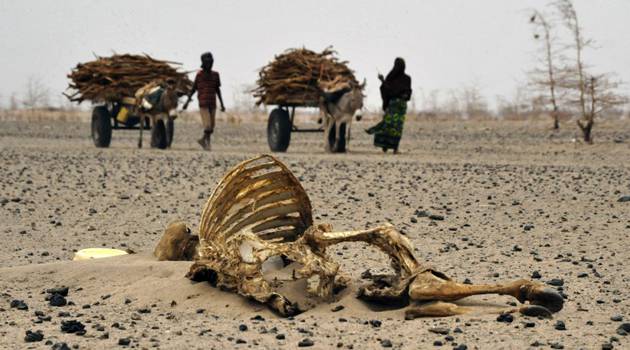
several counties. A report delivered by NDMA Chairperson Shallow Abdullahi Yahya showed that Mandera, Turkana, Marsabit, Wajir, Isiolo, Garissa, Tana River, Samburu, and Kwale are bearing the brunt of the crisis. Families in these counties are struggling to secure enough food and are heavily dependent on outside assistance to survive.
Kenya could see a sharp rise in hunger levels over the next few months, with 3.68 million people likely to experience acute food insecurity by June 2026. Lawmakers were informed that the figure has climbed from 3.3 million and may increase further as unreliable rains and shrinking household earnings continue to strain communities already on the edge.
The update was presented to the Senate Committee on National Security, Defence and Foreign Relations by officials from the National Drought Management Authority and the Kenya Meteorological Department, who warned that without swift and targeted support, conditions could deteriorate in several counties.
A report delivered by NDMA Chairperson Shallow Abdullahi Yahya showed that Mandera, Turkana, Marsabit, Wajir, Isiolo, Garissa, Tana River, Samburu, and Kwale are bearing the brunt of the crisis.
Families in these counties are struggling to secure enough food and are heavily dependent on outside assistance to survive.
“These areas are experiencing extreme food insecurity, and immediate interventions are required to prevent further deterioration,” Shallow said.
Beyond the worst-hit counties, 14 others are classified under food stress. In these areas, households are cutting back on vital services, selling productive assets, and resorting to risky coping mechanisms to manage daily needs.
The nutrition situation remains worrying. The agencies reported that 810,871 children between six and 59 months are acutely malnourished, alongside 116,796 pregnant and lactating women who require urgent medical and nutritional care.
To address the crisis, the Government has strengthened coordination structures at both national and county levels to ensure a joint and accountable response across sectors.
“Sh 233.5 million has been spent or committed to interventions, including water trucking, fuel subsidies, repair of strategic facilities, provision of water tanks, and livestock feed,” NDMA said.
Acting KMD Director Edward Muriuki urged the scaling up of livestock destocking, improved borehole support, wider emergency food distribution, and stronger hyper-local early warning systems to reduce exposure to drought shocks.
For long-term resilience, Muriuki proposed expanding automatic weather station coverage in ASAL counties, improving collaboration among agencies to lower tensions linked to drought, and stepping up community awareness on interpreting and using weather forecasts.
“We also appeal for support to establish a radar network for nowcasting severe weather events and urge Senators to back the Meteorological Bill,” Muriuki added.
Committee members, including Chairperson and Isiolo Senator Fatuma Dullo, Vice Chairperson Tom Ojienda, Julius Murgor of West Pokot, and Lelegwe Ltumbesi of Samburu, called for consistent data updates from the agencies and affirmed their readiness to support measures aimed at easing the crisis.



Comments
Sign in with Google to comment, reply, and like comments.
Continue with Google